
Electric and hybrid: fraud goes through the electronics.
The more connected a vehicle is, the more of its history is written in its control units. That is an opportunity for the check, provided you know how to read it.
Why the risk is changing.
Electric and hybrid cars are not more fragile: their frauds are simply different.
The odometer can be reprogrammed
On a modern vehicle, mileage is stored in several control units. Software can change the odometer, but it often leaves gaps between the control units: that is where it is spotted.
The battery makes the value
On an electric car, the battery’s state of health matters as much as the mileage. Since 2026, Car-Pass can display it, if the seller agrees to have it measured.
Electronic theft
Networks use electronic tools to get around security systems, then disguise the vehicles’ identity with chassis numbers and plates from cars taken off the road.
Parts that travel
Stolen vehicles are sometimes taken apart: batteries, bodywork and mechanical parts are sold separately. A vehicle may therefore carry parts of doubtful origin.
The figures.
of used electric cars checked in the United Kingdom
show a clocked odometer, ahead of diesel (2.8%) and petrol (2.5%). Source: Regit, 11/06/2026.
high-end hybrid cars stolen
by a single network; nine arrests in Belgium, Italy and Spain in October 2025. Source: Europol.
battery state of health on Car-Pass
at the seller’s request, measured by an independent body. Source: NewMobility, 24/10/2025.
What NUR Label checks on an electric or hybrid car.
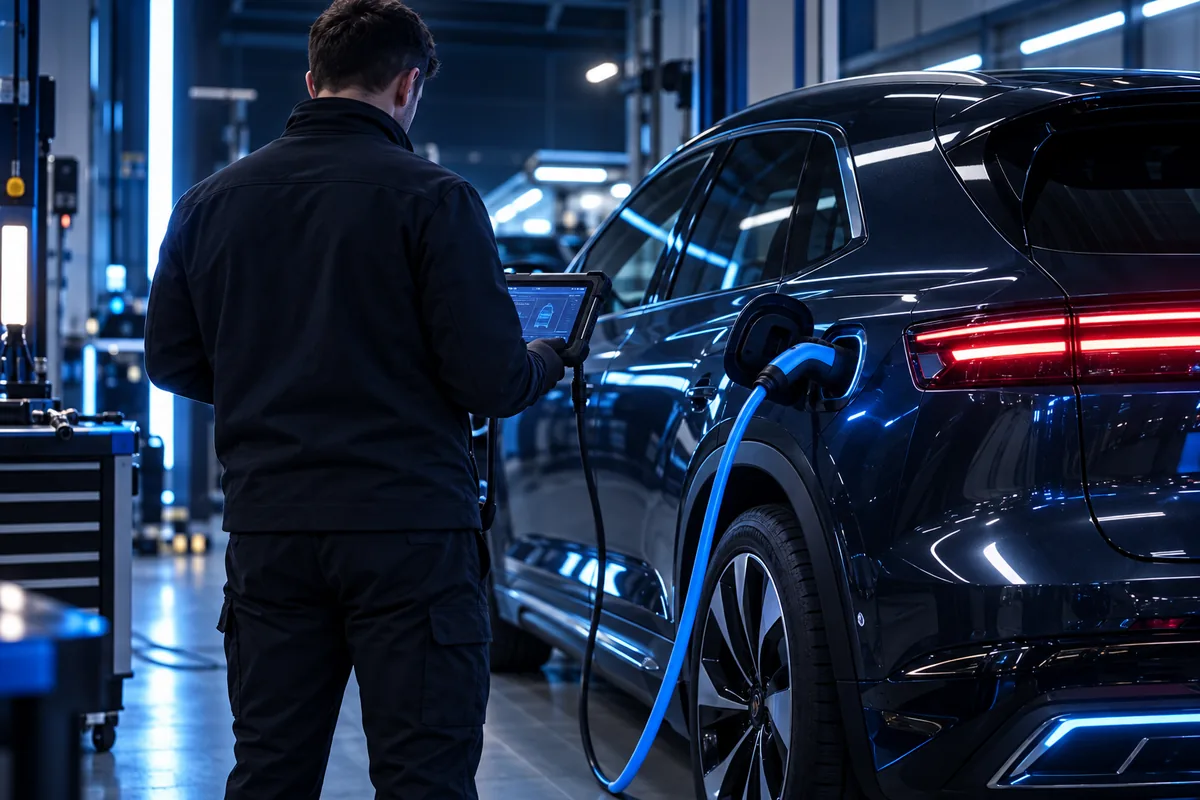
With the Full Inspection, the anti-fraud inspector reads the vehicle’s electronics and compares them with its documents and the sources:
- the mileage stored in several control units, compared with the odometer, Car-Pass and the service history;
- the state of health of the battery, read by diagnostics;
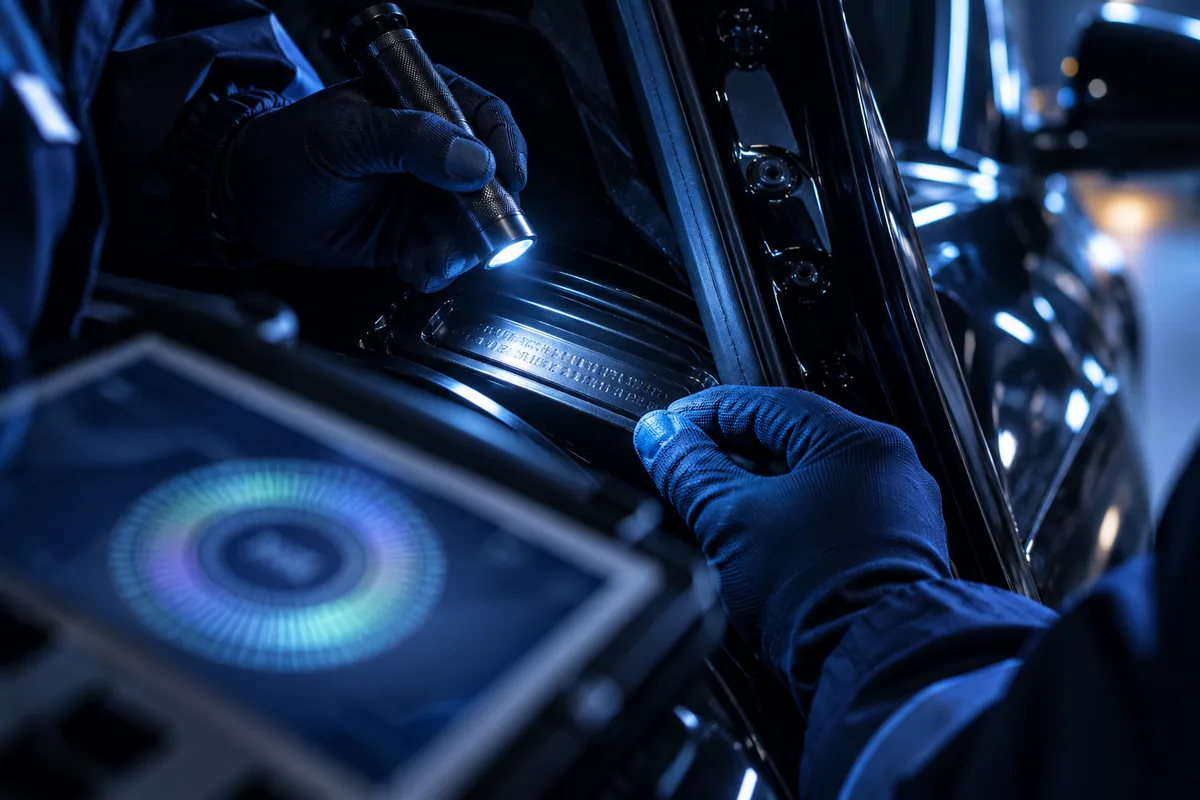
- the electronic identifiers, compared with the stamped chassis number and the documents;
- fault codes and traces of intervention, to spot a suspicious modification.
The more electronic the vehicle, the more the check matters.
Electronics don’t lie, if you know how to read them.
NUR Label compares what the control units say with what the documents say.